

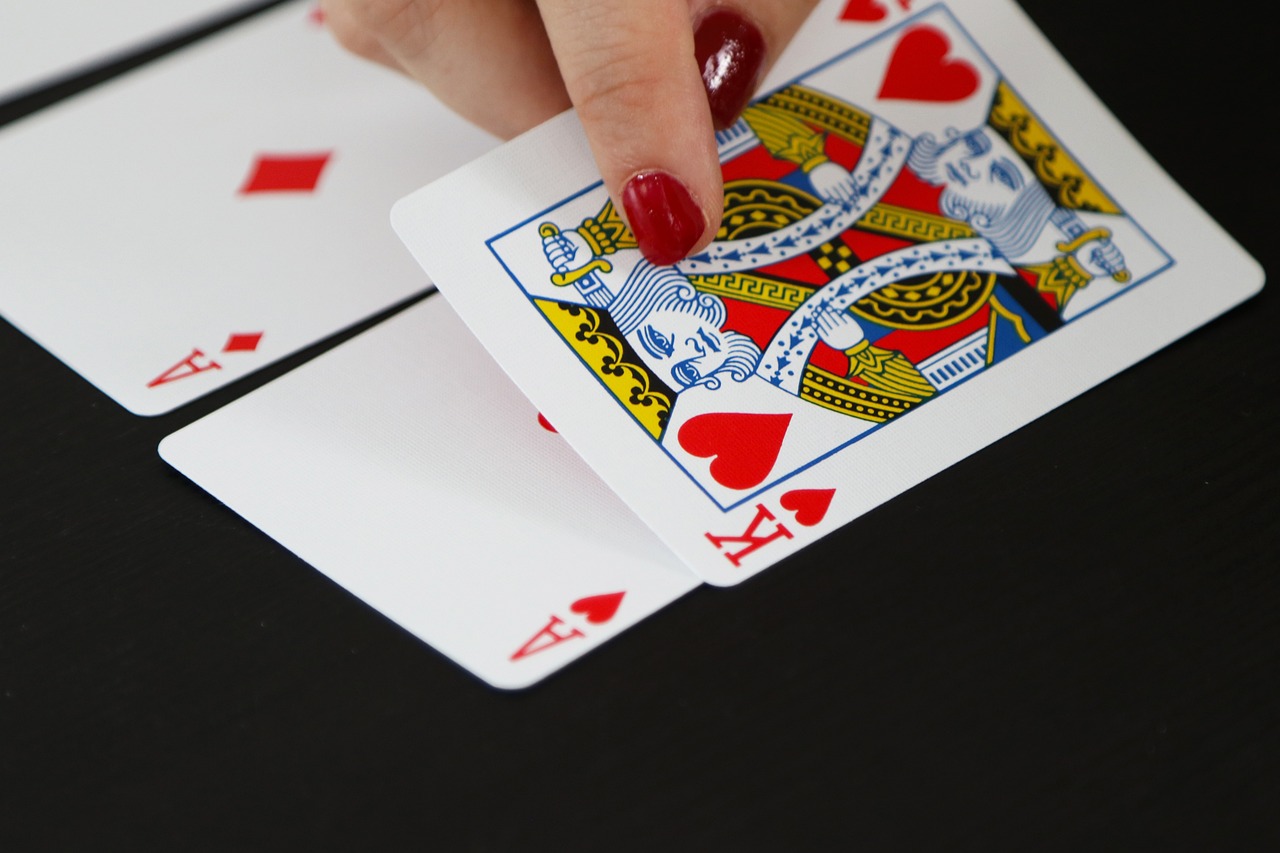
Most people lose at online casinos for the same reason they lose at the blackjack table in Vegas: they play the game in front of them instead of the math behind it. You can memorize every slot paytable, learn every poker tell, and still bleed money if you don't understand what the house edge actually does to your bankroll over time. The good news? Once you grasp a handful of core principles, you stop being the fish at the table.
House Edge Is Not a Suggestion — It's a Slow Leak
Every casino game carries a mathematical advantage for the house, and it varies wildly from game to game. Blackjack with basic strategy sits around 0.5% house edge. Baccarat banker bets hover near 1.06%. European roulette is 2.7%, while American roulette jumps to 5.26% purely because of that extra double-zero pocket. Slots? They can range anywhere from 2% to 15% depending on the machine and jurisdiction.
Why does this matter? Because the edge compounds against you the longer you play. A 2% edge doesn't sound scary until you run the numbers. Bet $100 per hand for 500 hands and that 2% quietly takes roughly $1,000 of expected value off your results — even if you walk away up on any given night. Variance hides the leak. The math doesn't.
If you want to stretch a bankroll, the move is simple: pick games with lower edges, and avoid side bets. Those flashy Perfect Pairs and 21+3 wagers in blackjack often carry edges above 5%. They're designed to feel exciting, not to pay you fairly. Before making a choice, it helps to review สล็อต.
Volatility in Slots: The Number Nobody Talks About
Every slot player eventually learns about RTP — the return to player percentage. A 96% RTP slot theoretically returns $96 for every $100 wagered over millions of spins. But RTP alone tells you almost nothing about what a session will feel like. Volatility is the other half of the story.
- Low volatility slots hit frequently but pay small. Think Starburst or classic 3-reel machines. Good for grinding, bad for dreamers.
- Medium volatility balances frequency and payout size. Popular in modern 5-reel video slots with free spin bonuses.
- High volatility slots like Book of Dead or Money Train can go hundreds of spins without a meaningful win, then explode with a 5,000x payout.
Here's the practical tip: match volatility to your bankroll, not your mood. If you're playing with $50, a high-volatility slot will eat you alive before the bonus round ever triggers. If you've got $500 and patience, high volatility is where the multipliers live. Most casual players bleeding out on Gates of Olympus would last twice as long on a medium-volatility alternative with a similar theme.
Poker Is a Different Beast Entirely
Poker is the only game in the casino where you're not playing against the house directly. You're playing against other humans, and the house just takes a rake from each pot. That changes everything about strategy.
In cash games, your win rate comes from exploiting opponents' mistakes — not from lucky cards. A tight-aggressive style (playing few hands, but betting them hard) still works at micro stakes because most recreational players call too much and fold too little. At higher stakes, opponents adjust, and you need to balance your ranges, bluff with proper frequency, and understand position deeply.
The mistake I see over and over with new online poker players: they hop into 6-max no-limit hold'em because that's what’s on TV, get destroyed by regs, and quit. Better path? Start with full-ring micro-stakes tables where players are looser and more predictable. Multi-table 2-4 tables to increase hourly volume without increasing your per-hand risk.
Bankroll Management Is the Real Skill
You can have a perfect strategy and still bust if your bankroll isn't structured. This is where disciplined players separate themselves from gamblers.
- Set a hard ceiling. Decide what you're willing to lose before you deposit. Never touch rent money, savings, or credit.
- Use unit sizing. A common rule for poker cash games is 20-40 buy-ins for the stake you're playing. For slots, keep each spin at 1-2% of your session bankroll.
- Separate sessions. Don't fire off 500 spins in one sitting and call it a night. Shorter, planned sessions reduce fatigue decisions.
- Track everything. A simple spreadsheet of deposits, withdrawals, and time played exposes your real hourly rate — not the scoreboard in your head.
Bonus abuse also deserves a mention. Sportsbook and casino welcome offers often come with 30-40x wagering requirements. That 100% match bonus might require you to wager $4,000 before withdrawing a cent, and slots only contribute 20-30% toward those requirements on many sites. Read the terms. Always.
Sports Betting: Where Information Beats Instinct
Online sports betting has exploded globally, and it rewards research the way poker rewards discipline. Line shopping alone — comparing odds across multiple sportsbooks — can add 2-4% to your long-term return. On a $100 bet, that's real money over a season.
Sharp bettors focus on:
- Closing line value (CLV): If you consistently beat the closing line, you're betting profitably regardless of short-term results.
- Market inefficiencies: Injuries, weather, travel schedules, and public sentiment all move lines, sometimes irrationally.
- Prop markets: Player-specific bets often have softer lines than moneylines because books focus their models on the main markets.
Chasing parlays for a lottery-style payout is the opposite of sharp betting. Parlays multiply the book's edge with every leg. Fun? Sure. Sustainable? No.
The Long Game Is the Only Game
What separates successful iGaming players from the millions who fund the industry isn't luck, secret systems, or picking the right Book of Ra sequel. It's treating gambling like a math problem wrapped in entertainment. Understand edges. Choose games where the math respects you a little more. Size your bets like a professional, not a tourist. Track results honestly. And never let the psychology of near-misses push you into a tilt spiral where the next spin or hand or bet is supposed to make it all back.
The house always has the edge in casino games — that's how the lights stay on. But the house doesn't own your decisions, your session lengths, or your discipline. Those are yours. Play the math, respect variance, and treat every bet as a cost, not a promise. Do that, and the iGaming world stops being a slot machine with your name on it and starts being something you can actually enjoy without regret.






John Doe
14 January, 2022Having no content in post should have adverse..
Chauffina Carr
10 April, 2022We use these tests all time! Killer stuff!
Jim Séchen
16 July, 2022Thanks for all the comments, everyone!