

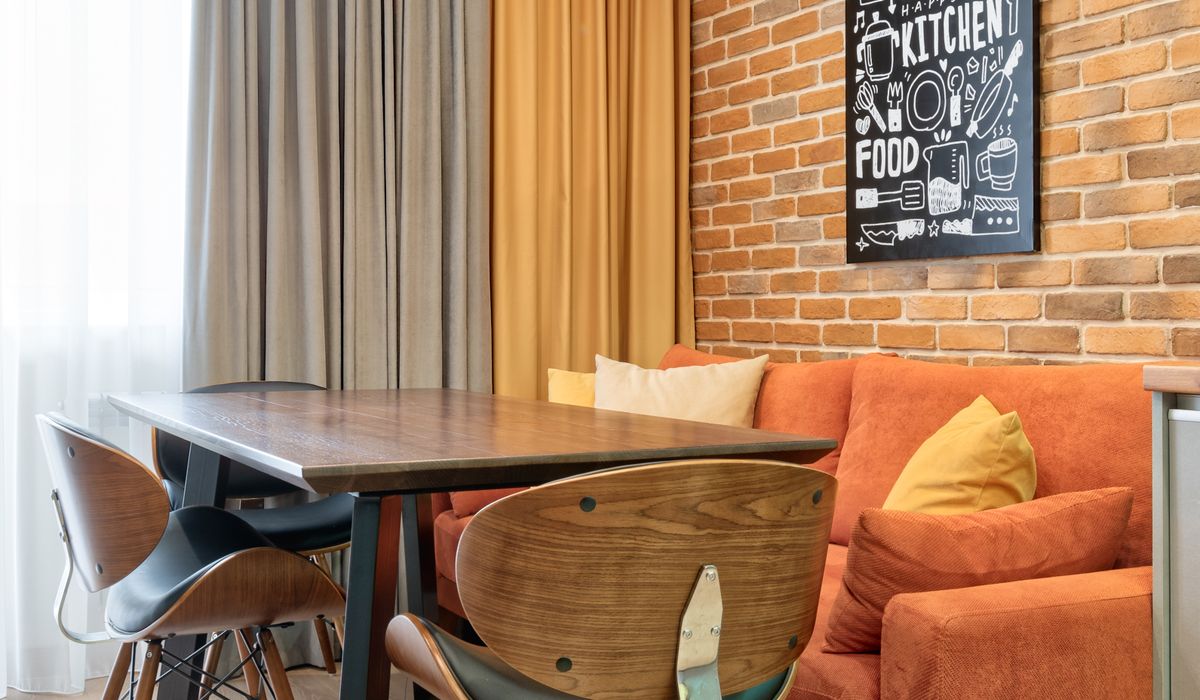
Older homes come with character: high ceilings, deep skirting boards, wide sash windows and, quite often, a persistent chill that creeps in around the edges. None of that is a fault on your part. Period properties were built in an era when coal was cheap and draughts were treated as useful ventilation. The good news is that you don't need to rip out the features you love to cut your bills. A weekend of small, careful work can make a surprising difference to how warm a Victorian terrace or a 1930s semi feels.
Start With Draughts, Not the Thermostat
Before you spend anything on new controls or gadgets, spend an afternoon hunting for cold air. On a windy day, run the back of your hand around window frames, skirting boards, the loft hatch, your letterbox and the gap under the front door. Each one of those small openings is a constant leak, and cold air coming in pushes your heating system to work harder than it needs to.
- Fit self-adhesive foam or brush seals to window and door frames — the type that compresses into the gap when the window closes.
- Add a brush seal to the letterbox and a simple cover to the keyhole. They cost very little and stop a genuinely irritating amount of cold air.
- Use a weighted draught excluder along the bottom of external doors, and fit a brush strip to the frame if there's room.
- Run a bead of flexible sealant along the join between skirting boards and floorboards, a classic gap in older properties.
- If you have an open chimney you never use, block it with a chimney balloon or a purpose-made draught excluder. Just remember to remove it before you light a fire.
None of this is glamorous work, but it is the cheapest heat you will ever save.
Let Your Curtains Work Harder
Curtains are quietly one of the most effective tools in an older home, especially where you cannot change the windows. A single-glazed sash window loses a great deal of heat through the glass and around the frame, and a decent pair of lined curtains creates a buffer of still air between the room and the cold outside.
- Choose a thermal or blackout lining, or sew a lining onto curtains you already own. It makes far more difference than extra thickness alone.
- Hang curtains as wide as possible so they overlap the wall at each side, and consider a pelmet above the pole to stop cold air spilling down behind them.
- Let curtains drop to the sill at least, ideally to the floor, so cold air doesn't pool underneath.
- Close them at dusk and open them in the morning to let in whatever sun you can get.
- Avoid hanging curtains directly over a radiator — the heat simply goes up behind the fabric and out of the window.
Wrap Up Your Hot Water
If you have a hot water cylinder, a jacket is one of the best-value improvements in the house. A cylinder that feels warm to the touch in a cold cupboard is losing money every hour of every day, and a jacket at least 80mm thick will pay for itself quickly.
- Lag all accessible hot water pipes, starting with the first metre from the cylinder and any run that passes through a cold loft or under a floor.
- Set the cylinder thermostat to around 60°C — hot enough for safety, without heating water you'll never use.
- Insulate the cylinder itself and check the top, where heat escapes fastest.
- If you have a combi boiler there's no cylinder to wrap, but pipe lagging still matters, particularly under sinks and in unheated spaces.
Look Up, Then Down: Lofts and Floors
Heat rises, so the loft is usually where the biggest, simplest gains are hiding. Even if insulation was installed years ago, it may have been squashed down or laid too thinly by today's standards.
- Top up loft insulation to around 270mm if you can, keeping it clear of the eaves so air can still circulate.
- Insulate the loft hatch and draught-proof it with a foam strip. It's a small job with a noticeable effect on landings and stairwells.
- For suspended timber floors, seal obvious gaps between boards and use rugs on the coldest stretches. Never block the air bricks or sub-floor vents beneath the floor, though — those need to stay open to prevent rot.
Don't Seal Everything: Ventilation Still Matters
Older homes were designed to breathe. Solid walls and lime plaster manage moisture by letting it move through the fabric, and if you seal every gap and block every vent, that moisture has nowhere to go. The result is condensation on windows, damp patches and eventually trouble behind the plaster. Keep trickle vents open, use extractor fans in the kitchen and bathroom, and open a window briefly each day to change the air. A slightly ventilated house is warmer than a damp one.
Small Habits That Add Up
- Heat rooms individually using thermostatic radiator valves, and turn off radiators in rooms you rarely use.
- Aim for around 18–21°C in living spaces, and turn the heating down rather than opening windows when it gets stuffy.
- Bleed your radiators once a year at the start of autumn. Cold spots at the top of a radiator mean trapped air, and trapped air means wasted heat.
- Fit reflective foil behind radiators on external walls so heat bounces back into the room rather than into the brickwork.
- Shorten showers slightly and wash up in a bowl rather than under a running tap — hot water is often a bigger slice of the bill than we assume.
Work through these in the order that suits your house and your budget. Draughts first, then curtains, then the cylinder and loft, and the rest will follow naturally. Older homes can be perfectly comfortable in winter — they just need a little attention in the right places.





John Doe
14 January, 2022Having no content in post should have adverse..
Chauffina Carr
10 April, 2022We use these tests all time! Killer stuff!
Jim Séchen
16 July, 2022Thanks for all the comments, everyone!