

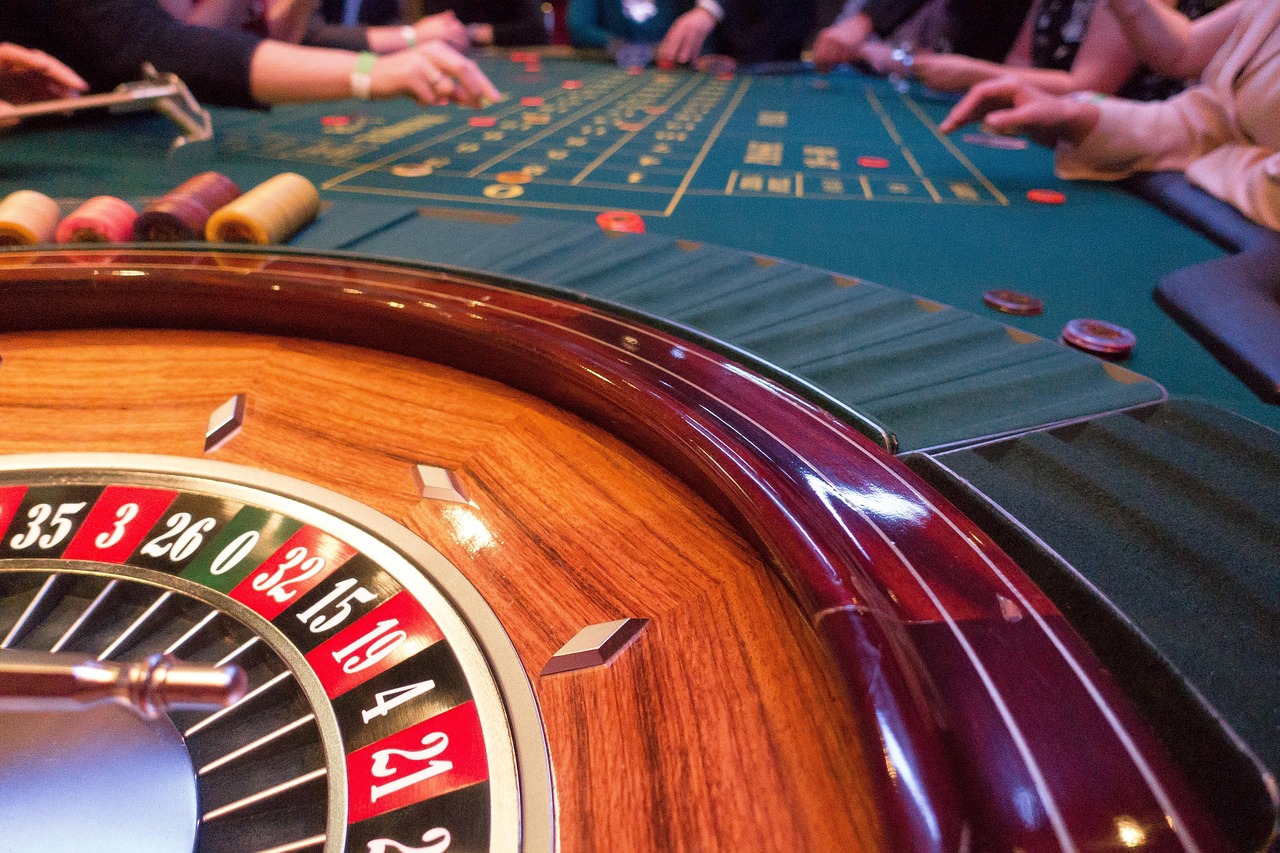
Casinos used to be places you went to. Now they are places you carry in your pocket, and the industry behind that shift is one of the most complex entertainment machines ever built. iGaming — online casinos, sportsbooks, poker rooms, and the vast supporting ecosystem of payment providers, regulators, and game studios — generates tens of billions of dollars a year and never sleeps. Whether you are a curious beginner or a player who knows the difference between an RTP and a volatility rating, the modern iGaming world rewards people who understand how it actually works. Here is a grounded look at the key pieces.
What iGaming Really Covers
The term "iGaming" is broader than most people assume. It is not just casino games. It includes online slot machines, table games like blackjack and roulette, live dealer lobbies streamed from real studios, sports betting, poker, bingo, and increasingly, esports and virtual sports. Each segment has its own economics. Slots typically contribute the largest share of revenue for casino operators, often well over 70% on many platforms, while sportsbooks run thinner margins and depend on volume.
What ties them together is the technology stack: a player account system, a game engine, a random number generator (RNG) audited by third parties, payment gateways, and a regulatory license from a jurisdiction like Malta, Curacao, Gibraltar, or increasingly a US state authority. That license is not window dressing. It dictates what games can be offered, how funds must be protected, and how disputes are resolved.
Slots: Volatility, RTP, and What the Numbers Mean
Slots look simple, which is exactly why they are so easy to misread. Spins are essentially independent events, and modern video slots use programmatic reels rather than physical ones. Two numbers matter more than flashy graphics:
- RTP (Return to Player): the theoretical percentage of all wagered money a game pays back over millions of spins. A 96% RTP slot means the house edge is about 4% long term. This does not guarantee you get 96% back in a session — it is a population-level figure.
- Volatility: how the wins are distributed. Low-volatility slots pay smaller amounts more often; high-volatility slots can go long stretches without a win before a large payout. Neither is "better" — they suit different bankrolls and temperaments.
A practical tip: pick volatility to match your bankroll. On a 50-unit budget, a high-volatility slot with 50,000x potential will likely eat the balance before it pays. A low-volatility slot lets you play longer and see more action. Also compare RTP between versions of the same game — studios sometimes publish different math models by region or operator, and the gap can easily be a full percentage point. Over thousands of spins, that difference is money.
Poker: Skill, Position, and the Long Run
Poker is the one major iGaming vertical where skill can genuinely overcome the house edge, because in cash games and tournaments you are playing other people, not the casino. The operator simply takes a rake, a small cut of each pot. That single fact changes strategy entirely. There is a useful overview at สล็อต.
Three concepts separate winning players from the crowd:
- Position: acting last gives you more information. Playing tight in early position and widening your range on the button is one of the most reliable edges in no-limit hold'em.
- Bankroll management: a common guideline is 20 to 40 buy-ins for cash games and 50 to 100 for tournaments. Ignoring this is the fastest path to busting even with a real skill edge.
- Player pool selection: softer fields mean higher win rates. Tracking software, where allowed, and table selection do more for your hourly rate than any fancy bluff.
Online poker also introduced fast-fold formats like Zoom and Rush, which remove waiting time and increase hands per hour. Great for volume players, dangerous for anyone prone to tilting — you can now lose a buy-in in the time it used to take to fold a bad hand.
Sports Betting: Lines, Margins, and Discipline
Sports betting is where casual players most often give away their edge without realizing it. Bookmakers build a margin into every market — usually 4% to 8% on mainstream markets like a Premier League match or an NBA game, and much higher on exotic props. That margin is the book's edge; your job is to find bets where your estimate of the true probability is better than the price offered.
Concrete habits that separate thoughtful bettors from impulse bettors:
- Shop lines across multiple sportsbooks. A half-point difference on an NFL spread can flip a losing season into a profitable one.
- Understand implied probability: +150 means roughly a 40% chance; -200 means roughly 66.7%. If you think the real chance is higher, there is value.
- Avoid same-game parlays unless you specifically model the correlation. Books price them attractively for a reason — that is where their margin is fattest.
- Track every bet, including wins. Your memory lies; your spreadsheet does not.
Live Dealer and the Blurred Line Between Online and Land-Based
Live dealer games — streamed blackjack, roulette, baccarat, and game-show hybrids like Crazy Time or Dream Catcher — have become one of iGaming's biggest growth areas. They blend the convenience of online play with the psychology of a physical table, including real dealers, real cards, and social chat. The trade-off is a slightly higher house edge than RNG equivalents, because operators have to pay for the studio, the dealers, and the bandwidth. That premium is worth it for players who want the theater, but it is not the mathematically optimal choice if you are purely chasing RTP.
The Regulatory and Responsible Play Picture
Regulation has tightened significantly. The UK, Sweden, the Netherlands, and most US states now require operators to run affordability checks, offer deposit limits, and participate in self-exclusion schemes like GAMSTOP. This is not just bureaucracy — it affects game design, marketing, and bonus terms. Welcome bonuses, for example, almost always carry wagering requirements; a "100% up to $500" offer with 40x wagering on slots means you must bet up to $20,000 before withdrawing bonus winnings. Reading the terms is not paranoia, it is arithmetic.
None of this makes iGaming safe or predictable by default. Slots and casino games are negative expectation over time. Poker and sports betting reward skill but brutally punish undisciplined players. Treat any budget as entertainment spending, not an investment, and never chase losses. The house is not lucky — it has math. Your only real protection is the same thing: math, plus knowing your limits before you sit down.
A Realistic Way to Approach It All
The iGaming world is not one thing — it is a spectrum from pure chance to genuine skill, and the smartest players know exactly where they sit on that spectrum at any given moment. Spin slots for fun with a fixed budget. Play poker when you are willing to study and manage variance. Bet sports when you have an informed opinion and a good price. Use the numbers the industry publishes: RTP, hold percentages, margins, buy-in rules. The players who last are not the ones who chase jackpots; they are the ones who understand the structure and treat every session as a controlled, decided cost. Get that part right, and everything else — the bonus terms, the volatility choices, the table selection — becomes a lot easier to navigate.






John Doe
14 January, 2022Having no content in post should have adverse..
Chauffina Carr
10 April, 2022We use these tests all time! Killer stuff!
Jim Séchen
16 July, 2022Thanks for all the comments, everyone!