

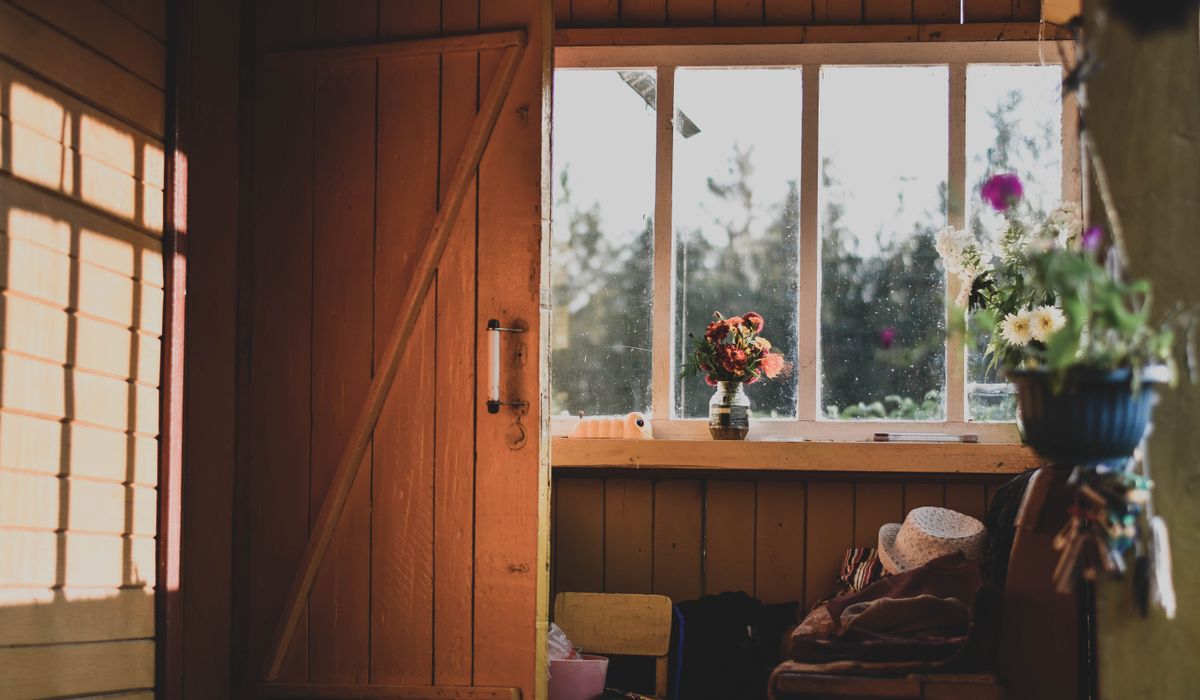
You do not need an acre of countryside to make a real difference to wildlife. A balcony, a paved courtyard, a narrow strip outside a kitchen window — all of these can become a functioning pit stop for bees, butterflies, hoverflies and birds. The trick is to think about what small creatures actually need: food, water, shelter and somewhere safe to overwinter. Give them those four things, and even a two-metre patch will start to hum.
Work With the Light You Have
Before you buy a single plant, spend a day or two watching your space. Note where the sun sits at midday, where it lingers in the afternoon, and which corners stay in shade. Most pollinator-friendly plants want at least four to six hours of sun, but shade is not a problem — it simply narrows your list.
Small spaces also have a surprisingly large amount of vertical room. Wall-mounted planters, hanging baskets, a window box and a climber on a trellis can double your growing area without losing a centimetre of floor. Wind is the real enemy on balconies and roof terraces, so choose tougher plants — lavender, thyme, sedum, hardy geraniums — and anchor pots so they cannot topple.
One rule matters more than any other: plant in blocks. A pollinator flying past will notice a generous clump of catmint far more easily than one lonely plant surrounded by gravel. Three of the same plant in one pot beats three different plants every time.
Choose Flowers That Actually Feed Insects
Not all flowers are useful. Highly bred doubles, with layer upon layer of petals, often hide the nectar and pollen completely. Aim for simple, open, single flowers, and favour herbs and native or near-native species.
- Long-flowering workhorses: catmint, salvia, lavender, oregano, marjoram, wallflowers and hardy geraniums.
- Summer nectar for bees and butterflies: borage, cosmos, single dahlias, nasturtium, hyssop, rudbeckia and sedum.
- Early and late food: hellebores, crocus and grape hyacinth in spring; ivy flowers in autumn, which are a lifeline for late bees and hoverflies.
- Climbers for shelter and food: honeysuckle, jasmine and ivy.
- Seed heads for birds: teasel, sunflower, coneflower and any leftover annuals you leave standing.
If you are on a budget, grow from seed in spring — a packet of borage or calendula costs very little and produces weeks of flowers. Keep a small tray of herbs on a sunny windowsill, too. Even a supermarket basil left to flower will be visited by bees.
Water Is the Cheapest Wildlife Magnet You Can Add
A shallow dish of water will bring in more creatures than almost anything else you do. Use a saucer or a low bowl, no deeper than about 5cm, and put a few pebbles or a piece of slate inside so bees and other insects can land and drink without drowning. Place it in partial shade so the water stays cooler for longer, and top it up every couple of days in warm weather.
For birds, a proper bird bath needs to be shallow — roughly 2–5cm at the rim — with a sloping side or a stone inside for grip. Rinse it out weekly; dirty water spreads disease. If you have room for a pond in a pot, give it a gentle slope or a ramp of stones so hedgehogs and frogs can climb out. A steep-sided container is a trap, not a habitat.
Leave a Wild Corner — and Resist Tidying It
Choose the least visible square metre of your space and step back from it. Let leaves gather, allow a patch of bare earth, and leave hollow stems standing over winter, because solitary bees and other insects shelter inside them. Add a small log pile or a few broken terracotta pots in a shady corner for beetles, frogs and hedgehogs.
The most important change is timing. Resist cutting back dead stems and seed heads until late March or April, when the worst of the cold has passed. Those tatty brown stalks are full of overwintering eggs, larvae and pupae, and the seed heads feed goldfinches and sparrows through the lean months. A single dandelion or clump of clover in the lawn is not a weed — it is a spring restaurant.
Add Homes for Bees and Birds
A bee hotel works well if you choose and site it properly. Face it south or south-east, keep it dry under an overhang, and look for one with smooth, clean tubes around 8mm across. Rough bamboo ends should be sanded so delicate wings are not torn, and the whole unit should be replaced or emptied and cleaned every couple of years to avoid disease building up.
For birds, dense shrubs do more than any box. Holly, hawthorn, cotoneaster and ivy provide cover, nesting sites and berries in one package. If you do hang a feeder, clean it weekly with hot soapy water, avoid fat balls in hot weather, and keep it away from anywhere cats can lurk. A prickly barrier of holly or pyracantha nearby gives small birds somewhere to retreat to.
Get Into a Gentle Year-Round Rhythm
Skip the pesticides and slug pellets entirely — they travel up the food chain and kill the very creatures you are trying to attract. Accept a few nibbled leaves. Plant in spring, water through summer, leave the structure standing in autumn, and do your cutting back as the weather warms. Feed your pots with a liquid seaweed tonic through the growing season, since container plants run out of nutrients quickly.
Then do the hardest thing of all: less. A garden that is a little untidy, with a scruffy corner, some bare soil and a dish of water, will support far more life than a perfectly manicured one. Within a season you will notice the difference — bees returning to the same clump of catmint each morning, a robin waiting by the water, and a small, busy world running quite happily outside your back door.





John Doe
14 January, 2022Having no content in post should have adverse..
Chauffina Carr
10 April, 2022We use these tests all time! Killer stuff!
Jim Séchen
16 July, 2022Thanks for all the comments, everyone!