

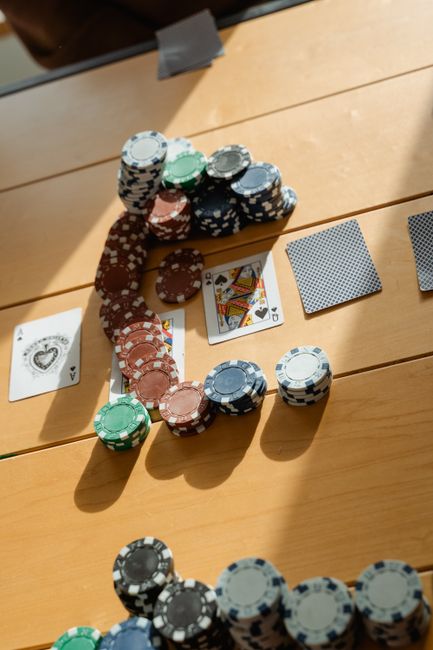
You sit down at your computer, open a poker client, and within seconds you're bluffing a stranger from halfway across the world. That's the magic of iGaming—it collapses distance and time, putting a casino, a sportsbook, and a poker room right in your browser. But if you've ever wondered why some sessions feel rewarding while others drain your wallet, the answer isn't luck alone. It's understanding how these games actually work, where the edges hide, and how to navigate an industry that's equal parts entertainment and mathematical certainty.
Let's cut through the noise. This isn't a get-rich-quick guide or a lecture on morality. It's a practical look at the pillars of online gambling: slots, poker, and sports betting. You'll learn what makes each tick, the smartest ways to approach them, and the traps that catch even experienced players.
Slots: The Engine Behind the Spin
Walk into any online casino and slots dominate the lobby. Why? Because they're simple, fast, and require zero skill—perfect for casual players. But that simplicity hides a sophisticated machine. Every slot game runs on a random number generator (RNG), which ensures each spin is independent of the last. The outcome isn't "due" after a dry spell; the reels don't remember your losses.
The key metric to watch is RTP—return to player. A slot with 96% RTP pays back 96 cents for every dollar wagered over millions of spins. The remaining 4% is the house edge. That sounds small, but in a high-volatility game, your bankroll can vanish in minutes if you're not careful. Low-volatility slots pay smaller amounts more frequently; high-volatility ones tease with massive jackpots but can go hundreds of spins without a win.
Here's what smart slot players do:
- Check the RTP before playing. Anything below 95% is a tough grind. Online casinos often list RTP in the game info tab.
- Understand volatility. If you want long sessions, pick low volatility. If you're chasing a big score, high volatility is your game, but size your bets accordingly.
- Use bonuses wisely. Wagering requirements can turn a $100 bonus into a trap. Read the terms—if it's 40x, you need to bet $4,000 before withdrawing a cent.
- Set loss limits. Decide beforehand how much you're willing to lose. When it's gone, stop.
One more thing: progressives. Those million-dollar jackpots are funded by every bet across a network of casinos. The odds of hitting one are astronomically small—often worse than 1 in 10 million. Enjoy the dream, but don't build your budget around it.
Poker: Where Skill Beats Luck
If slots are a lottery with a theme, poker is a chess match with cards. Over the long run, skilled players consistently beat weaker ones. That's why online poker rooms are filled with sharks—and why beginners need a plan. nhacaitangtien.com.co offers a practical breakdown of the topic.
The first decision is game type. No-limit Texas Hold'em is the most popular, but Pot-Limit Omaha offers more action and bigger swings. Tournaments (MTTs) give you a chance to turn a small buy-in into a huge score, while cash games provide steady, predictable play. Sit-and-gos (SNGs) are a hybrid—quick, single-table tournaments that reward tight, aggressive play.
No matter what you choose, bankroll management is non-negotiable. A common rule: never buy into a cash game for more than 5% of your total poker bankroll. For tournaments, keep it to 2% or less. This protects you from variance—the inevitable downswings that can wipe out an unprepared player.
Position matters more than your cards. Acting last gives you information: you see what everyone else does before you decide. That's why tight-aggressive (TAG) players raise from late position with a wide range and fold weak hands early. It's boring, but it works.
And never forget: online poker is tracked. Hand histories, HUDs (heads-up displays), and note-taking tools are legal on most sites. Use them. They reveal patterns—who folds too much, who bluffs on the river, who only plays premium hands. That data is your edge.
Sports Betting: The Art of the Line
Sports betting isn't just picking winners. It's about finding value—when the odds imply a lower probability than you believe is true. The bookmaker sets a line with a built-in margin (the vig), typically 4-5% on each side. To profit long-term, you need to win more than 52.4% of your bets at -110 odds just to break even. That's a high bar.
Successful bettors specialize. They study one league, one team, or even one market (like player props) until they know it cold. They also line shop—comparing odds across multiple sportsbooks. A half-point difference in a spread can turn a loss into a push or a win.
Live betting adds another layer. Odds shift rapidly based on game events. If you're watching a match and see a team dominate but trail on the scoreboard, the live odds might offer value. But beware: in-play markets have higher margins, and emotional decisions are easy to make.
Bankroll rules apply here too. Flat betting—wagering the same amount on every play—is safest for beginners. Unit sizing (1-2% of your bankroll per bet) keeps you in the game during cold streaks.
Common Traps and How to Dodge Them
iGaming is designed to be fun, but it's also designed to separate you from your money. These traps catch everyone at some point:
- Chasing losses. Doubling your bet after a loss rarely ends well. The house edge doesn't care about your revenge.
- Bonus abuse. Some players sign up for multiple accounts to exploit bonuses. Casinos catch on, confiscate funds, and ban you. Play fair.
- Tilt. In poker, tilt is emotional decision-making after a bad beat. In betting, it's betting on your favorite team because you're a fan. Recognize it and step away.
- Ignoring licensing. Play only at casinos and sportsbooks regulated by reputable authorities like the Malta Gaming Authority or UK Gambling Commission. Unlicensed sites can vanish with your balance.
Final Thoughts: Play Smart, Not Just Hard
The world of iGaming offers endless entertainment, but it rewards discipline over impulse. Slots are about managing volatility and understanding RTP. Poker is a skill game where bankroll management and psychology trump raw card luck. Sports betting is a numbers game where value hides in the margins. None of it is a guaranteed payday—anyone who tells you otherwise is selling something.
So treat it like any other hobby: set a budget, learn the rules, and never bet more than you can afford to lose. The thrill of a big win is real, but so is the regret of a blown bankroll. Play with your head, not your heart, and you'll enjoy the ride a lot more.






John Doe
14 January, 2022Having no content in post should have adverse..
Chauffina Carr
10 April, 2022We use these tests all time! Killer stuff!
Jim Séchen
16 July, 2022Thanks for all the comments, everyone!