

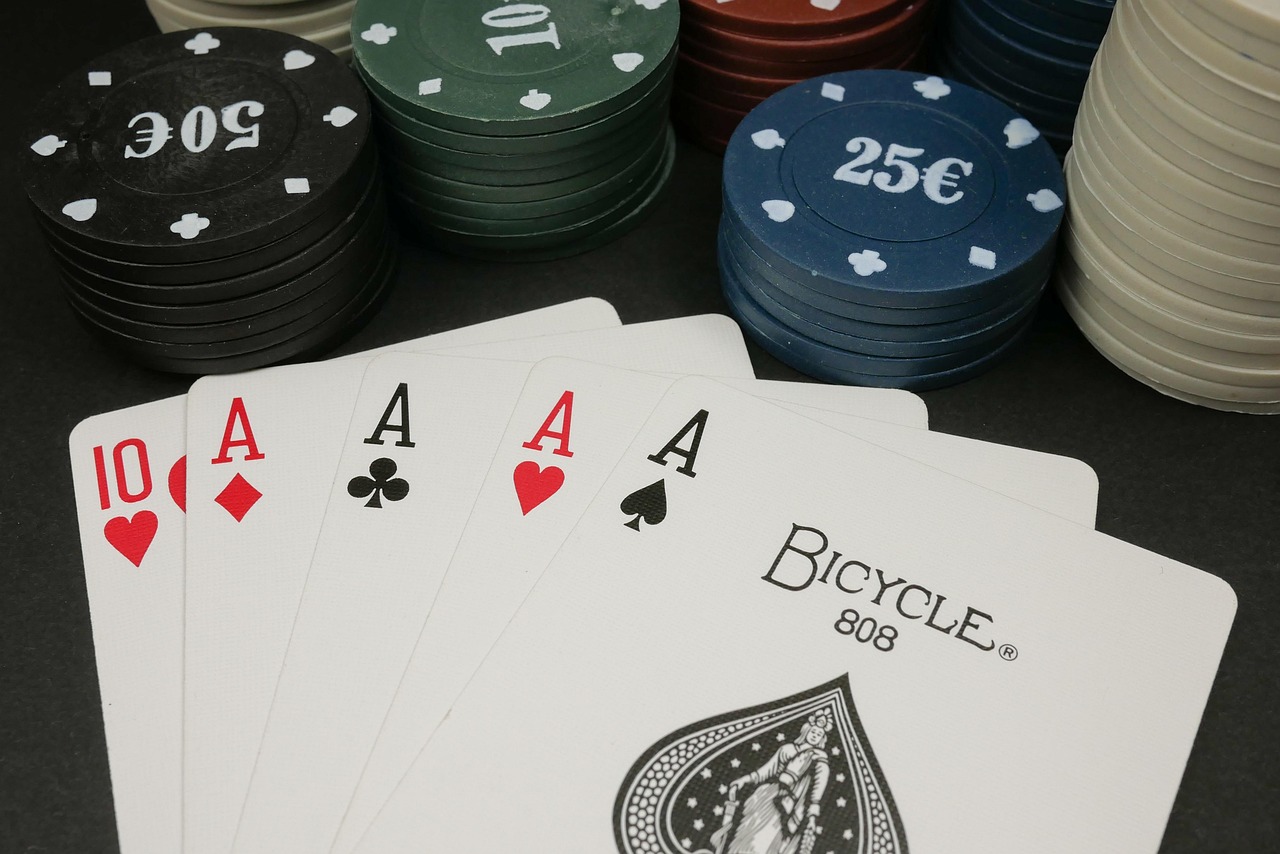
Every experienced gambler has a story about the night the math betrayed them. A 70/30 favorite in poker loses the pot. A slot bonus round that looked like it was about to crack goes cold. A parlay that hits every leg except the one you were sure about. Most people chalk these up to bad luck and move on. The smarter ones understand that they are not seeing luck at all — they are seeing variance, the single most misunderstood force in iGaming.
If you have ever wondered why you can win for a week straight and then lose it all back in a night, this article will explain exactly what is happening, why it happens, and how the sharpest players in casino rooms and poker tables actually use it to their advantage.
Variance Is Not Bad Luck — It Is Just Probability Breathing
Variance is the statistical term for how far real results can drift from the expected value. If you flip a fair coin ten times, you should get five heads. But four heads is normal. Six is normal. Three is annoying but still common. The further you get from five, the less likely it is, but it absolutely can happen — and will, eventually.
Now apply that logic to a slot with a 96% RTP. Over millions of spins, the machine returns 96 cents per dollar wagered. But over your 300 spins on a Friday night? The outcome distribution is wide open. You might hit a 200x multiplier and run up five hundred euros. You might drain a hundred. Both are consistent with the same underlying math. This is why talking about "luck" in iGaming is almost useless — replace the word with "variance" and suddenly the conversation gets a lot more useful.
The upshot: short-term results tell you almost nothing about whether a game is good, bad, or fair. Only the long run speaks.
Why Poker Players Obsess Over Variance (And You Should Too)
No group of gamers takes variance more seriously than poker players, and that is because they are the only ones who can actually beat it long-term. A cash game grinder with a 5bb/100 win rate still has losing months — sometimes losing quarters — because the sample size required to prove that edge is enormous. Tens of thousands of hands. Sometimes more.
Here is what that means in practice for anyone in the iGaming world:
- Poker: A winning player can lose 20 buy-ins in a single downswing and still be profitable. Anyone who judges their skill by one session is fooling themselves.
- Blackjack with basic strategy: House edge around 0.5%, but your session result still swings wildly because of doubles and blackjacks.
- Sports betting: A 55% capper often goes 2-8 over a weekend. It feels like the end of the world. It is not.
- Slots: The highest variance of all. A slot can eat €200 in thirty minutes and pay €400 in thirty seconds.
Recognize the pattern? The bigger the potential payout, the wider the variance, and the longer you need to play before your results reflect anything real.
How to Actually Manage Variance Instead of Fearing It
You cannot eliminate variance, but you can absolutely reduce how much it torches your bankroll and your mood. The core principles are borrowed from poker and apply to every corner of iGaming. Many readers start with saowin.za.com when comparing options.
- Set a session bankroll. If you sit down with €100, that €100 is the cost of the experience, not the beginning of a business plan. When it is gone, you are done.
- Use a stop-loss and a stop-win. Quit at -50% of your buy-in or +100%. This locks in emotional stability even when the math does not.
- Size bets relative to your total bankroll, not your current mood. A poker player risking 5% of their roll per buy-in survives downswings. A player going all-in because they "feel it" does not.
- Track results over hundreds of sessions. If you are not logging, you are just guessing, and your memory will betray you.
- Say no to chasing. The most expensive sentence in iGaming is "just one more spin to get it back."
These rules sound boring. That is exactly why most people ignore them, and exactly why the ones who follow them end up lasting longer than everyone else.
Bankroll Math: The Number Nobody Talks About
If you only take one concrete idea from this article, make it this: your bankroll should be calculated in buy-ins or betting units, not in euros or dollars. Here is a rough benchmark that experienced players actually use.
- Poker cash games: 20–30 buy-ins for a comfortable margin, 50+ for professional shot-taking.
- Tournaments: 50–100 buy-ins, because tournament variance is brutal.
- Sports betting: 100+ units if you are flat betting, more if you mix in parlays.
- Slots and casino games: Treat each session as its own budget. Do not mentally carry losses into the next session as something you need to recover.
Why these numbers? Because they come from simulations of how often a player with an actual edge still goes broke purely due to variance. Someone with a 2% edge and only 10 buy-ins has a real, non-trivial chance of busting before the math bails them out. Someone with 50 buy-ins almost never does.
The Slot Myth That Costs Players the Most Money
Here is a myth that refuses to die: "This slot is due for a big win because it has not hit in a while." It is not. Slots, for the most part, do not track your personal history or owe you anything. Each spin is independent. The random number generator does not know you lost €300 yesterday, and it does not care.
What actually changes between slots is volatility, not "fairness." Low-volatility slots pay frequently but small — low variance, steady grind. High-volatility slots pay rarely but can hit 1,000x. That brilliant bonus round you see on streamers' clips? Those catches are paid for by thousands of spins that went nowhere. If you want to play high-volatility, your bankroll must reflect the reality that you will be losing more often, just with a fatter tail when it lands.
Where Skill Actually Changes the Equation
Not every game in iGaming is created equal, and understanding which ones reward skill is critical. Slots, most casino table games, and lottery-style bets are pure negative expected value over time — skill cannot flip them, only variance management keeps you in the game longer. Poker, daily fantasy, sports data modeling, and some advantage-play opportunities are different: a real edge exists for a small number of players who treat it as work, not entertainment.
If your goal is fun, pick whatever game you enjoy and budget it correctly. If your goal is profit, be extremely honest with yourself about whether you actually have an edge, or whether you just had a good month.
The Bottom Line
Variance is the tax that every winner pays on the way up and the excuse that every loser reaches for on the way down. The players who last in iGaming are not the ones who avoid losses — they are the ones who expect them, plan for them, and never let a downswing dictate their next decision. Learn the math, respect the swings, and remember that one hot night proves nothing and one cold night proves just as little. The only thing that matters is the long run, and the long run rewards patience, discipline, and a bankroll sized for the storm rather than the sunshine.






John Doe
14 January, 2022Having no content in post should have adverse..
Chauffina Carr
10 April, 2022We use these tests all time! Killer stuff!
Jim Séchen
16 July, 2022Thanks for all the comments, everyone!